GETTING TO KNOW OUR REACH
Real roads.
Real tests. Honest coverage.
Could you send a message from your favorite walking spot or across town? We learn by taking radios outside, trying messages, and recording what actually happens.
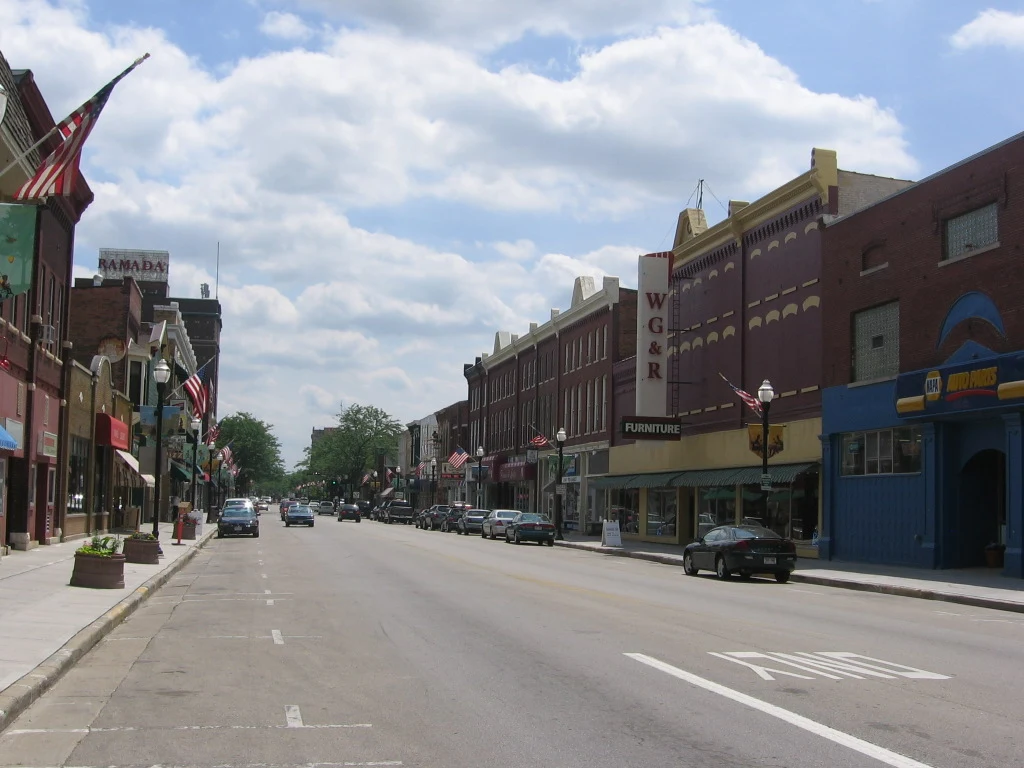
OUT IN THE COMMUNITY
Try a message.
Record the reply.
A useful test records where and when someone tried, what equipment they used, and whether a reply came back. Unsuccessful attempts matter too. Help us build an honest picture, one test at a time.
Our field-test map is in preparation.
We’re preparing the results for sharing. No approved coverage layer is available in this website yet.
No coverage is drawn here. An empty map does not mean there is no service.
MEASURED
Someone tried it.
A recorded field test, under stated conditions. It describes that test—not every nearby building or every time of day.
PROJECTED / ESTIMATED
A model suggests it.
An estimate of where a radio might work. Always labeled PROJECTED — NOT MEASURED and never treated as a successful test.
COME ALONG
A walk. A short drive.
A useful contribution.
You can help test at safe public locations and record both successes and failures. During road tests, let a passenger operate the radio or stop safely. Keep home addresses and private conversations out of shared notes.
Offer to help with testing →A USEFUL FIELD TEST
- Choose a safe public place.
- Try a short message.
- Record the reply—or no reply.
- Share the result without private details.
A method for testing, not a set of test results.
Technical details · Evidence, mapping and privacy
The source record consists of six directional field-test PDFs and a master GPS CSV. These are not loaded into this website. A reviewed QGIS export will become the public measured layer.
- Preserve the original records privately and reconcile positions, dates, duplicate records, successful and failed tests.
- Keep test campaigns and radio sources distinguishable in engineering records. Never reuse one campaign as evidence for another.
- Use real geographic reference data. Record test method, radio settings, equipment, units and collection period. Sparse points do not establish continuous coverage.
- Remove private residential positions, home route endpoints and identifying notes before sharing a map or metadata.
- Publish a reviewed layer with a plain-English label, collection period, source and limitations. Show estimated layers separately with their assumptions.
Online Observer reports are another kind of evidence; hearing a transmission does not prove two-way delivery.